Frontier Justice and Marshals: The Thin Line of Law in Wild West Boomtowns
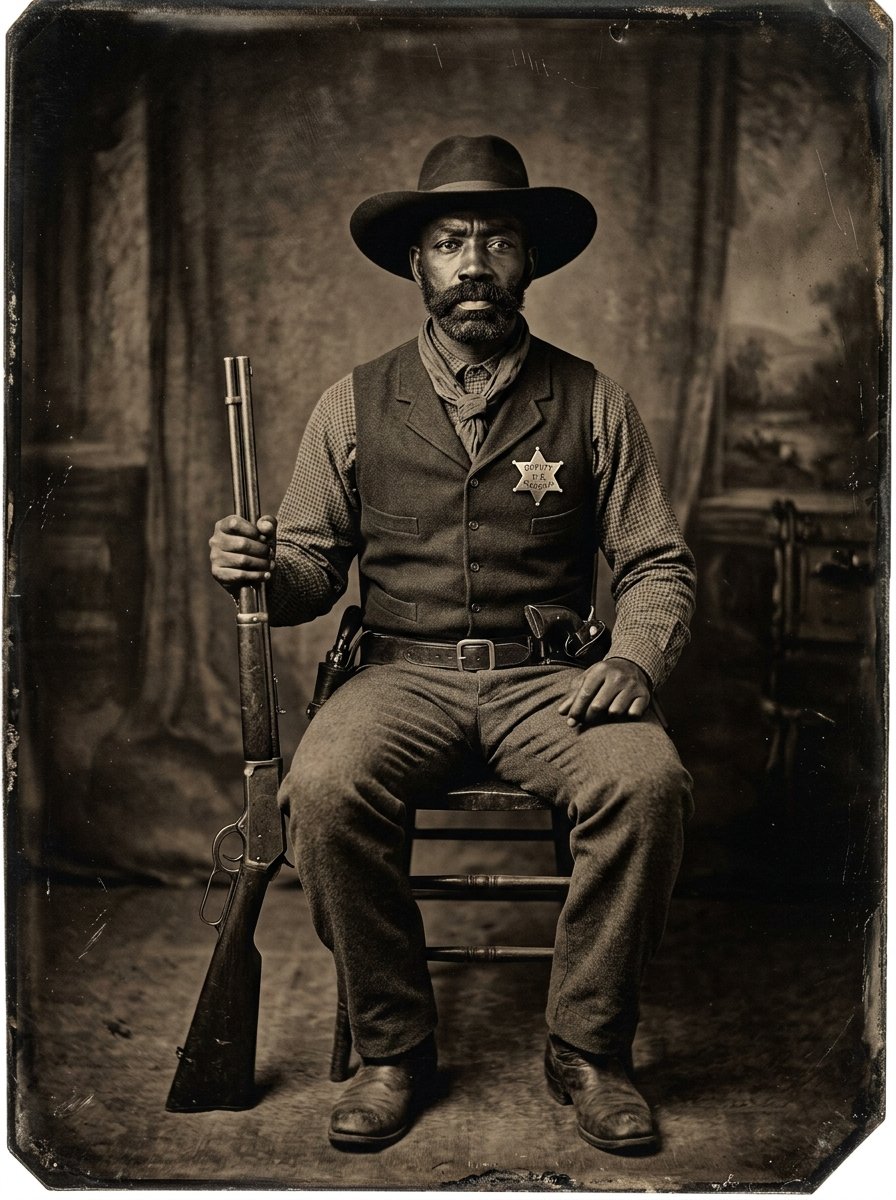
In the popular mythology of the American Old West, frontier towns were lawless cauldrons of endless midday shootouts, corrupt saloons, and trigger-happy outlaws. While the frontier undeniably attracted gamblers, road agents, cattle rustlers, and deserters, the historical reality of Western law enforcement was defined by an intricate, evolving struggle to establish legitimate legal institutions across millions of square miles of isolated wilderness. At the center of this titanic struggle stood the federal U.S. Marshals, county sheriffs, and the controversial rise of community vigilance committees. Before Western territories achieved statehood — including Arizona, New Mexico, Utah, Idaho, and Indian Territory (modern Oklahoma) — they fell under direct federal civil jurisdiction. The President appointed a single United States Marshal for each vast territory, who in turn commissioned …
The Oregon Trail: 2,000 Miles of Grit, Prairie Fever, and Pioneer Diaries

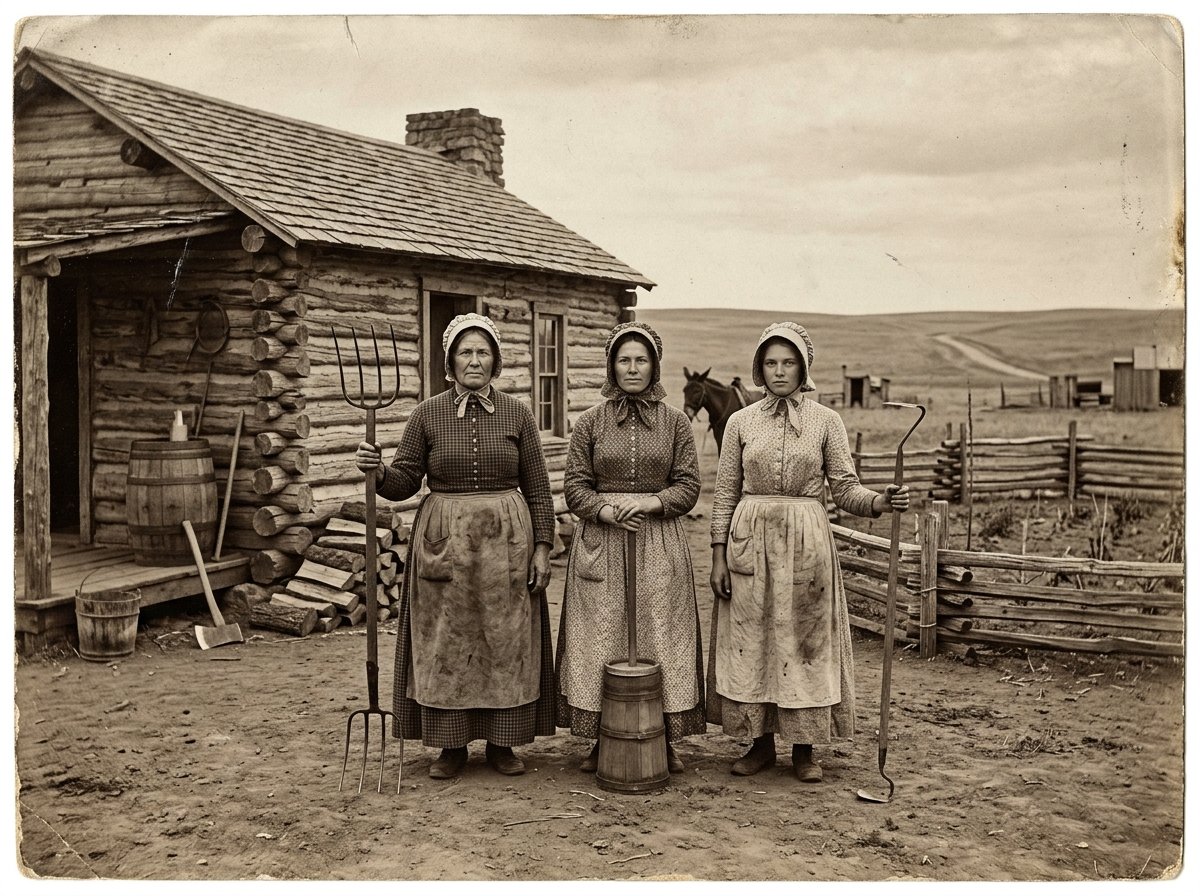
Between the early 1840s and the completion of the transcontinental railroad in 1869, more than 400,000 men, women, and children packed their worldly possessions into canvas-topped farm wagons and embarked on an epic 2,000-mile pilgrimage across uncharted prairie and towering mountain ranges. This legendary highway of grit and determination was known as the Oregon Trail. Its deep wagon ruts, still carved indelibly into the sandstone bluffs of Wyoming and Nebraska today, serve as a solemn monument to the pioneer spirit that forged the American nation. The journey along the Oregon Trail was governed by strict seasonal arithmetic. Wagon companies assembled at frontier "jumping-off" towns along the Missouri River — Independence, St. Joseph, and Westport — throughout April. Timing was a matter of life and death: …

The Transcontinental Railroad (1869): How the Golden Spike Connected a Continent

On May 10, 1869, telegraph wires across the United States transmitted a single four-letter word that set church bells ringing and cannons firing from New York to San Francisco: "DONE." At Promontory Summit in Utah Territory, the iron rails of the Central Pacific and Union Pacific railroads were officially joined with a symbolic Golden Spike. The completion of the First Transcontinental Railroad conquered the vast geographical barriers of the Old West, transforming an isolated frontier of wagon trails into an interconnected continental powerhouse. The dream of a transcontinental iron road had been debated in Congress for decades, stalled by fierce sectional rivalry between North and South over the proposed route. In 1862, in the very darkest days of the Civil War, President Abraham Lincoln signed …

The Buffalo Soldiers: African American Regiments on the Western Frontier

In the aftermath of the American Civil War, Congress enacted landmark legislation that forever transformed frontier military history: the formation of six all-Black peacetime regiments in the United States Regular Army. Consolidated in 1869 into the 9th and 10th U.S. Cavalry and the 24th and 25th U.S. Infantry, these elite units earned the revered title Buffalo Soldiers. Dispatched to the most unforgiving postings of the American frontier, they faced extreme desert heat, sub-zero mountain winters, rampant racial prejudice, and rugged terrain to protect expanding homestead settlements and safeguard continental migration routes. During the Civil War, more than 180,000 African American soldiers fought courageously in the United States Colored Troops (USCT). Recognizing their tactical discipline and sacrifice, Congress passed the Reorganization Act on July 28, 1866, …

Women of the Frontier: Trailblazing Doctors, Ranchers, and Pioneers

Traditional Hollywood cinema long portrayed women of the Old West in two simplistic caricatures: the helpless prairie maiden awaiting rescue or the hardened dancehall singer. Historical archival records, personal overland diaries, territorial court ledgers, and federal land patents tell a vastly different and far more inspiring story. On the harsh frontier, women were cattle ranchers, newspaper editors, pioneering physicians, mine owners, and civic leaders whose resilience forged modern American democracy. In the industrialized cities of the American East during the mid-to-late 19th century, society adhered strictly to the ideology known as the "Cult of True Womanhood." This cultural doctrine dictated that a respectable woman belonged exclusively in the private domestic sphere, defined by piety, purity, submissiveness, and domesticity. Men alone were expected to navigate the …

Boomtowns and Ghost Towns: The Sudden Rise and Fall of Frontier Mining Camps

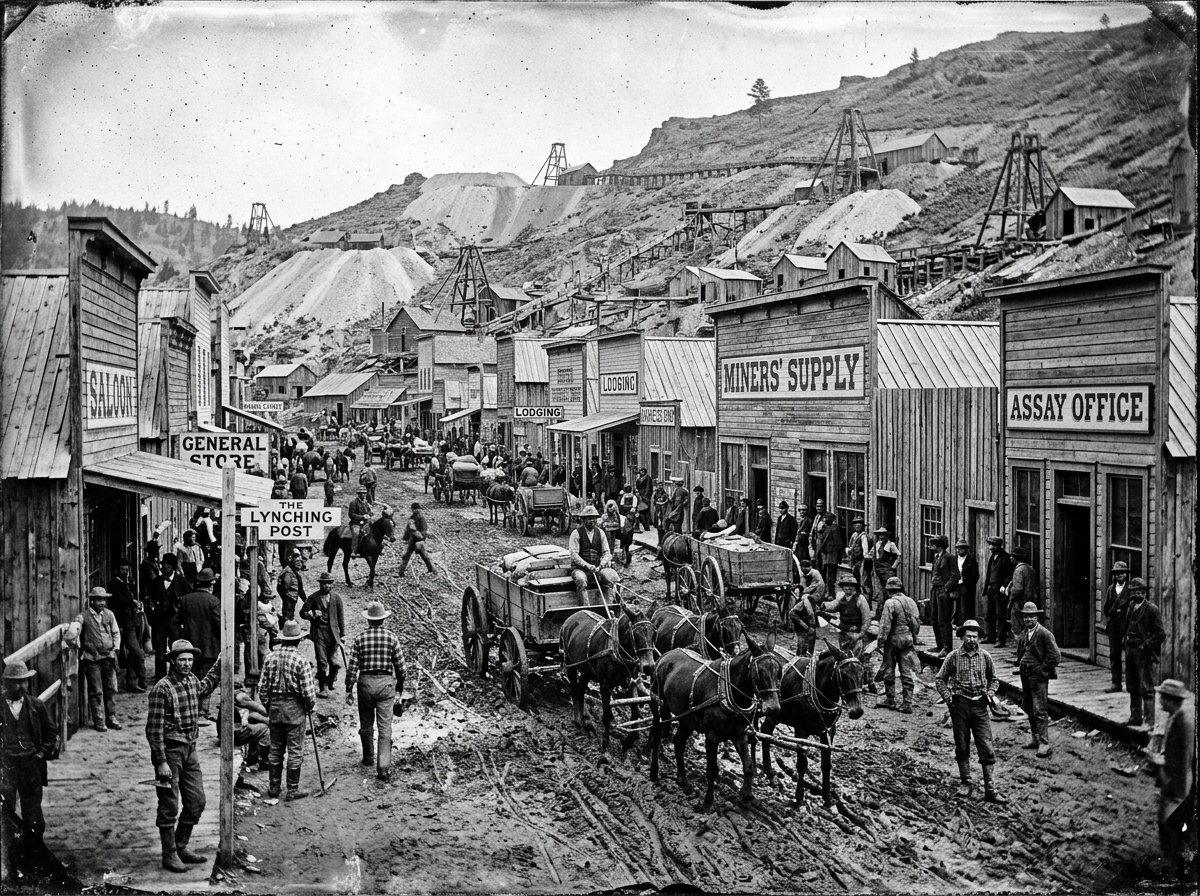
Across the windswept mountain passes of Nevada, the jagged pine gulches of South Dakota&8217;s Black Hills, and the arid scrublands of southern Arizona stand the sun-bleached pine skeletons of frontier ghost towns. Their sagging saloon porches, rusted stamp mill flywheels, and collapsed mine portals are the silent remnants of the most explosive and volatile economic phenomenon in 19th-century American history: the Western mining boom. Every mining boomtown began with a single spark of luck. An individual prospector panning a creek gravel bar would spot coarse flakes of placer gold, or a weathered scout would shatter a quartz boulder to reveal glittering veins of silver chloride. Under frontier convention, a discovery could never remain secret. Within hours of an assay office certifying high-grade yields — often …

The Real Texas Rangers: Frontier Scouts, Border Patrol, and Outlaw Hunters

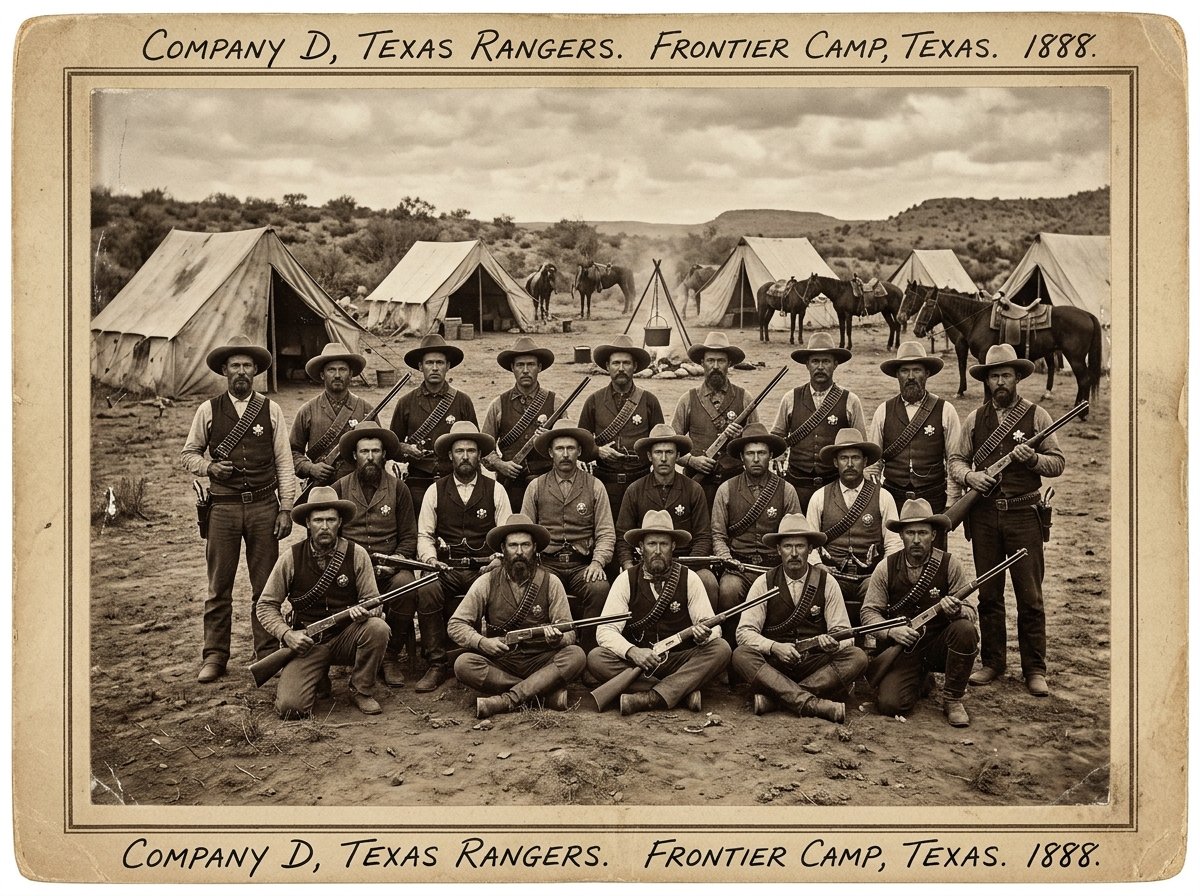
No law enforcement organization in American history has captured the popular imagination quite like the Texas Rangers. Immortalized in pulp Westerns, radio serials, and cinematic lore as solitary, white-hatted defenders of frontier justice, the historical reality of the Texas Rangers is infinitely more complex, politically entangled, and tactically groundbreaking. Operating neither as conventional municipal police nor as a standard military army, the Rangers were a uniquely adaptable paramilitary force forged on the violent perimeter of the southwestern frontier. The genesis of the Rangers dates back to the summer of 1823, when Stephen F. Austin received permission from the Mexican government to settle three hundred families in colonial Texas. Facing constant raids from native Comanche and Karankawa bands on isolated settlements, Austin employed ten seasoned woodsmen …

Frontier Medicine and Homestead Remedies: How Pioneers Survived Without Doctors

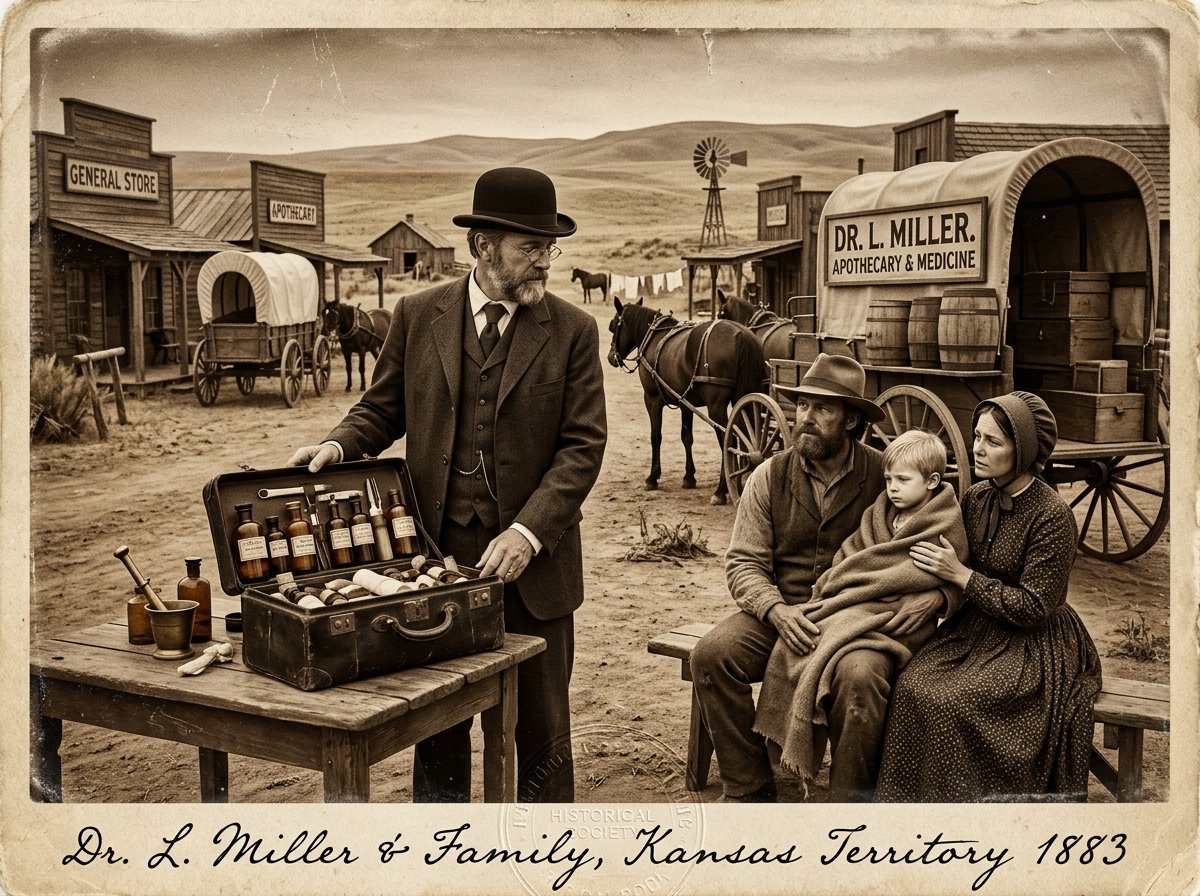
When settlers boarded covered wagons to cross the Mississippi River in the 19th century, they left behind not only paved streets and civil infrastructure, but the very concept of professional medical care. In the isolated prairie sod-houses of Kansas, the mining gulches of Montana, and the desert cattle stations of New Mexico, illness or serious injury was a terrifying emergency. Survival on the frontier demanded iron resilience, folk ingenuity, and the courage to endure excruciating medical procedures with minimal resources. Hollywood films frequently portray gunshot wounds and rattlesnake bites as the primary hazards of the Old West, but historical cemetery registers and overland diaries confirm that microscopic pathogens were far deadlier than bullets. The great overland trails were veritable avenues of disease. Asiatic Cholera was …

Inside the Old West Saloon: Myths vs. Reality of Frontier Social Hubs

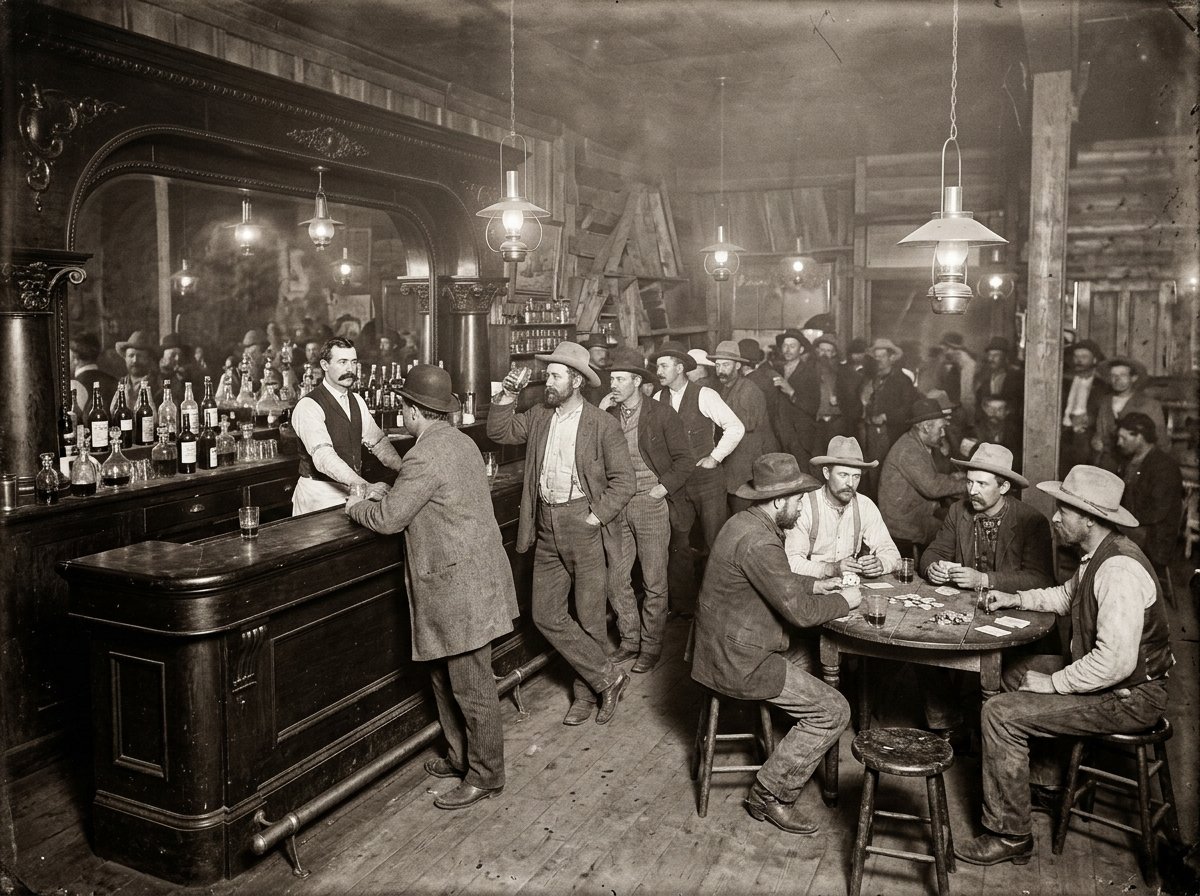
No architectural symbol of the American frontier has been more standardized, romanticized, and distorted by popular media than the Old West saloon. In Hollywood cinema, every frontier watering hole is depicted identically: swinging louvered batwing doors, a lavish mahogany backbar adorned with European plate-glass mirrors, piano players ducking under stools during obligatory brawls, and gunfighters shooting whiskey bottles off the bar. Historical municipal licenses, tax assessments, and eyewitness pioneer accounts reveal an institution that was fundamentally different — and infinitely more crucial to frontier survival. In the earliest days of any frontier settlement, long before the arrival of sawn timber or glass window panes, the first commercial structure erected was invariably a drinking establishment. In mining camps and railroad construction hubs, initial saloons were crude …

The Western Stagecoach: Dust, Danger, and Concord Coaches on Overland Trails

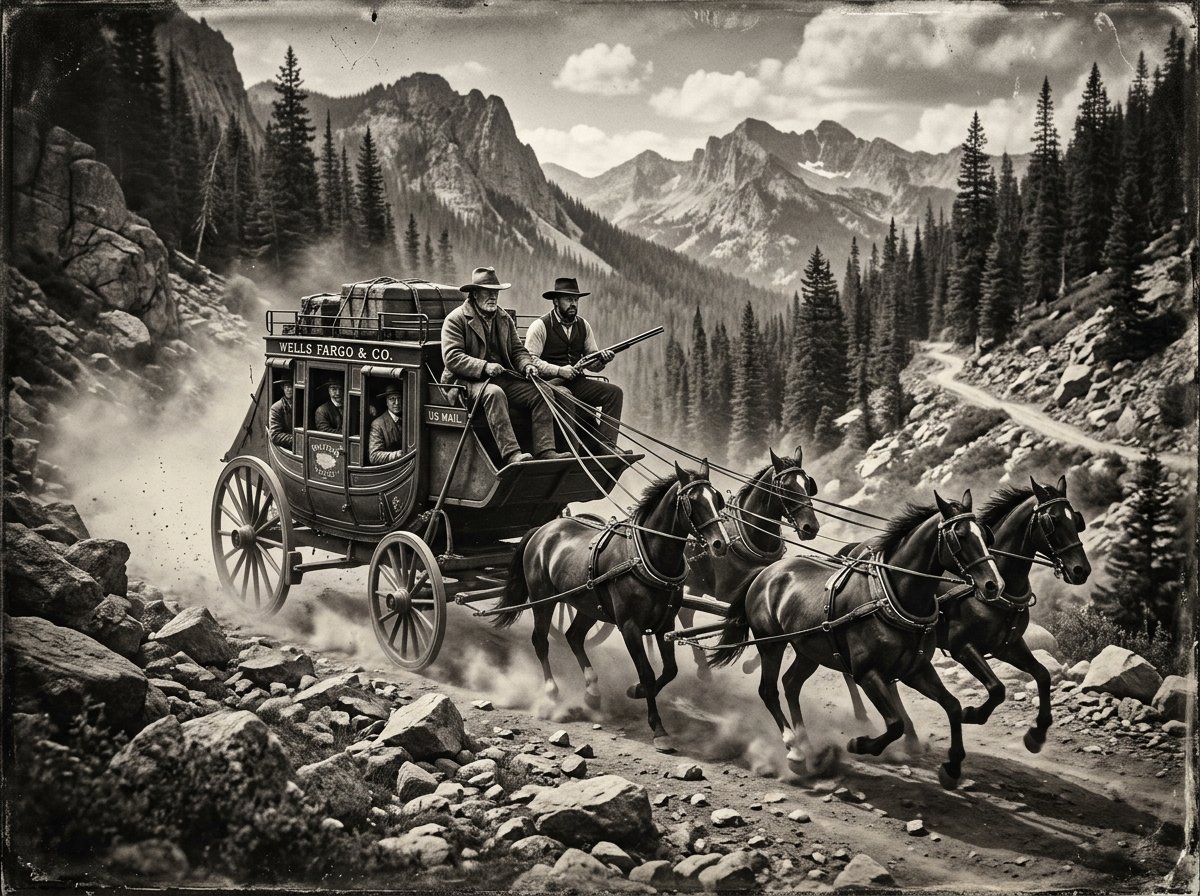
Before the joining of the rails at Promontory Summit in May 1869, the undisputed lifeline of the American frontier was the stagecoach. Across boiling alkali deserts, boulder-strewn Rocky Mountain passes, and flooded prairie river crossings, these handcrafted wooden vessels carried the gold dust, payroll treasure boxes, personal correspondence, and adventurous passengers that knit an expanding continent together. Pioneer trails were not paved roads; they were rutted wagon tracks carved through sagebrush, river gravel, and granite boulders. Conventional European coaches, built with rigid iron or steel leaf springs, invariably shattered within days of entering the American wilderness. The vehicle that conquered the frontier was engineered in New England by J. Stephens Abbot and Lewis Downing: the legendary Concord Coach. The Concord Coach was an engineering masterpiece …