Women of the Frontier: Trailblazing Doctors, Ranchers, and Pioneers
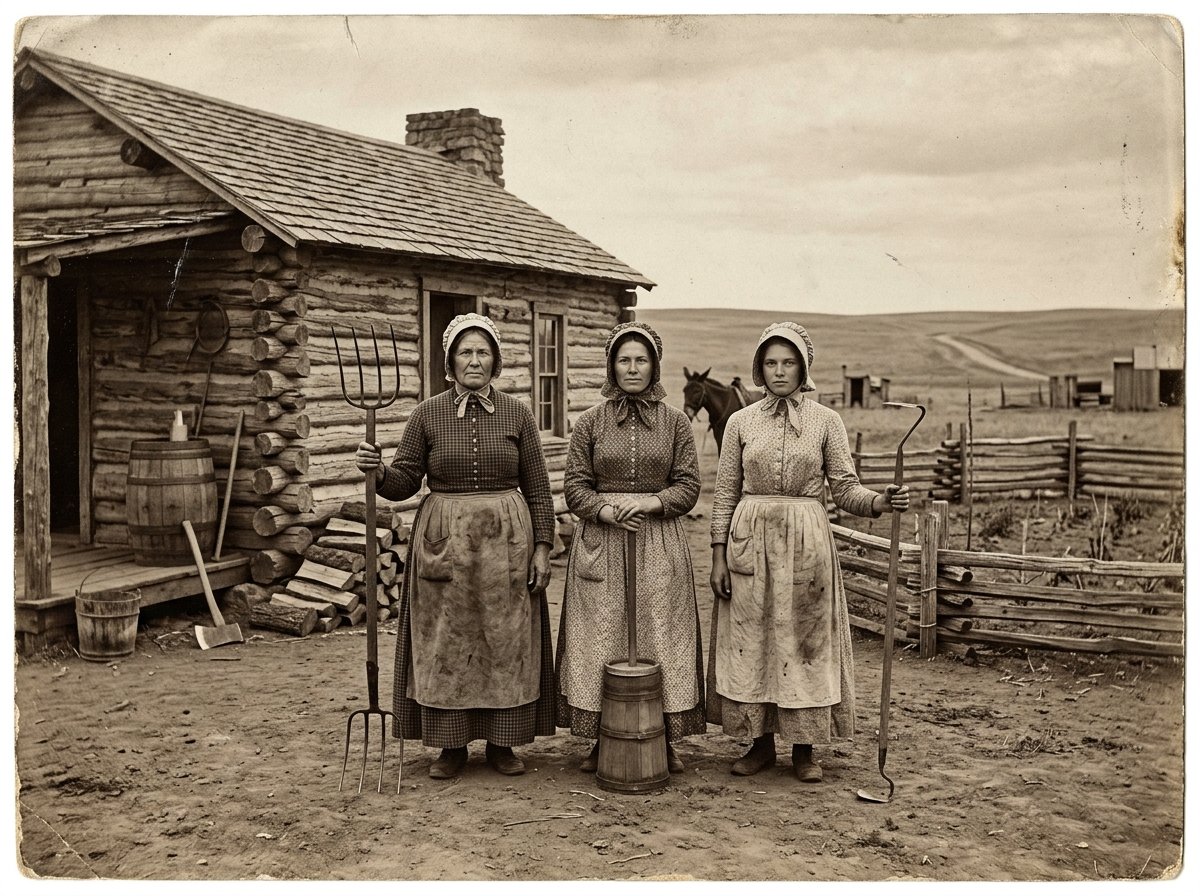
Traditional Hollywood cinema long portrayed women of the Old West in two simplistic caricatures: the helpless prairie maiden awaiting rescue or the hardened dancehall singer. Historical archival records, personal overland diaries, territorial court ledgers, and federal land patents tell a vastly different and far more inspiring story. On the harsh frontier, women were cattle ranchers, newspaper editors, pioneering physicians, mine owners, and civic leaders whose resilience forged modern American democracy.
Boomtowns and Ghost Towns: The Sudden Rise and Fall of Frontier Mining Camps

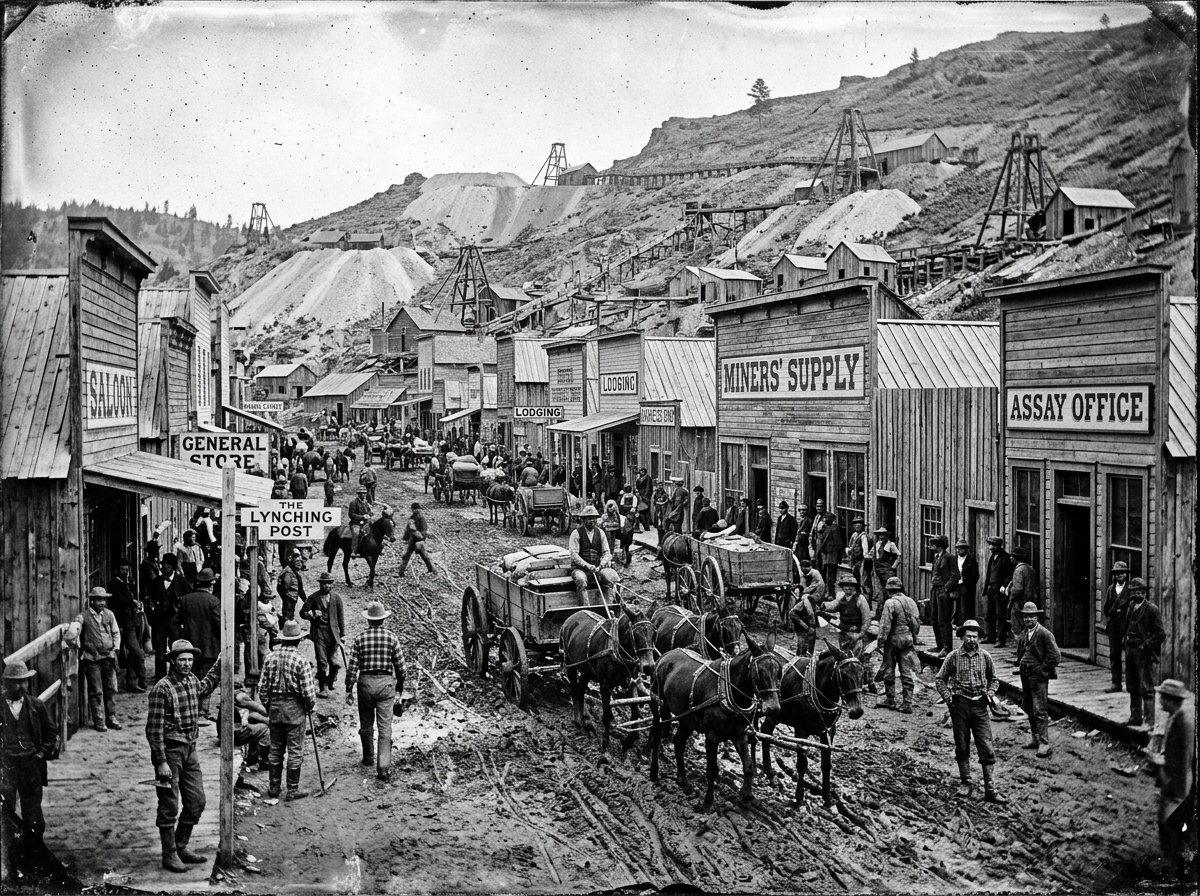
Across the windswept mountain passes of Nevada, the jagged pine gulches of South Dakota&8217;s Black Hills, and the arid scrublands of southern Arizona stand the sun-bleached pine skeletons of frontier ghost towns. Their sagging saloon porches, rusted stamp mill flywheels, and collapsed mine portals are the silent remnants of the most explosive and volatile economic phenomenon in 19th-century American history: the Western mining boom.

The Real Texas Rangers: Frontier Scouts, Border Patrol, and Outlaw Hunters

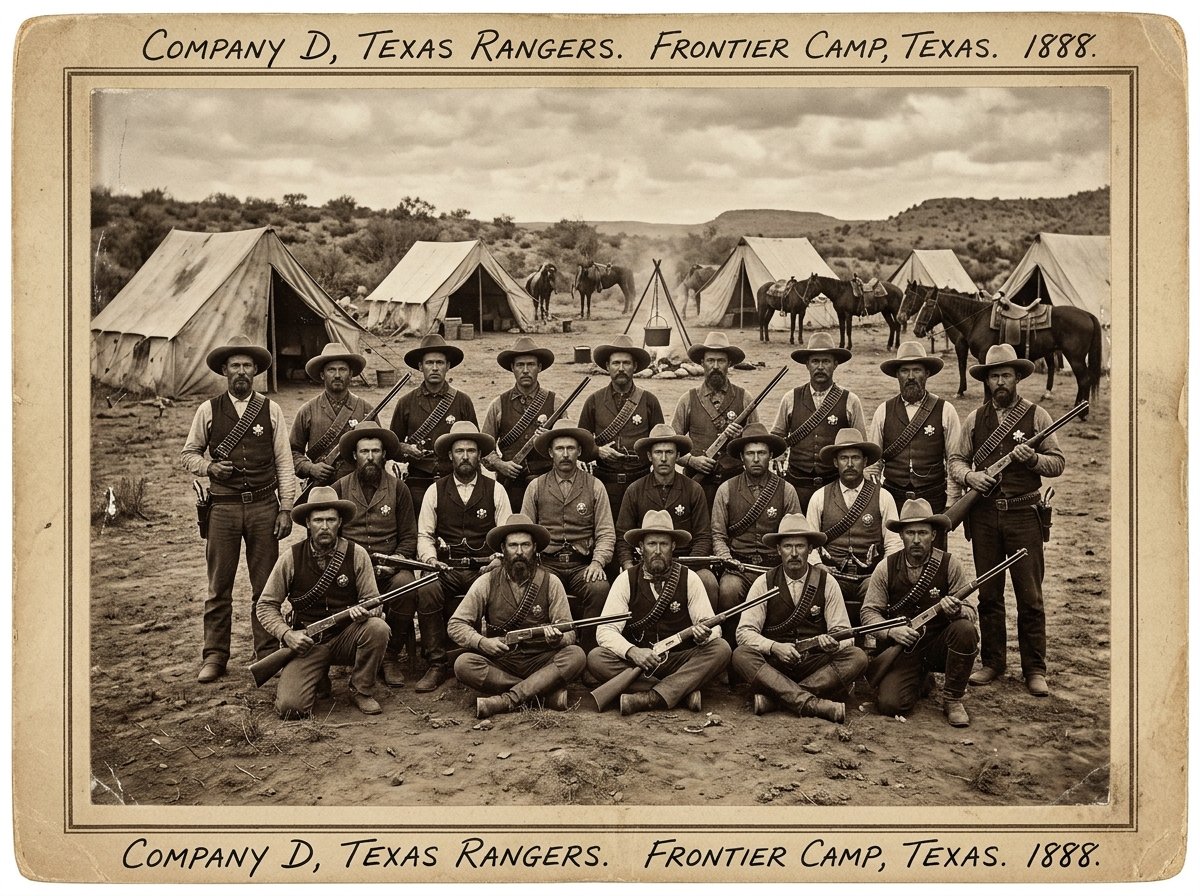
No law enforcement organization in American history has captured the popular imagination quite like the Texas Rangers. Immortalized in pulp Westerns, radio serials, and cinematic lore as solitary, white-hatted defenders of frontier justice, the historical reality of the Texas Rangers is infinitely more complex, politically entangled, and tactically groundbreaking. Operating neither as conventional municipal police nor as a standard military army, the Rangers were a uniquely adaptable paramilitary force forged on the violent perimeter of the southwestern frontier.

Frontier Medicine and Homestead Remedies: How Pioneers Survived Without Doctors

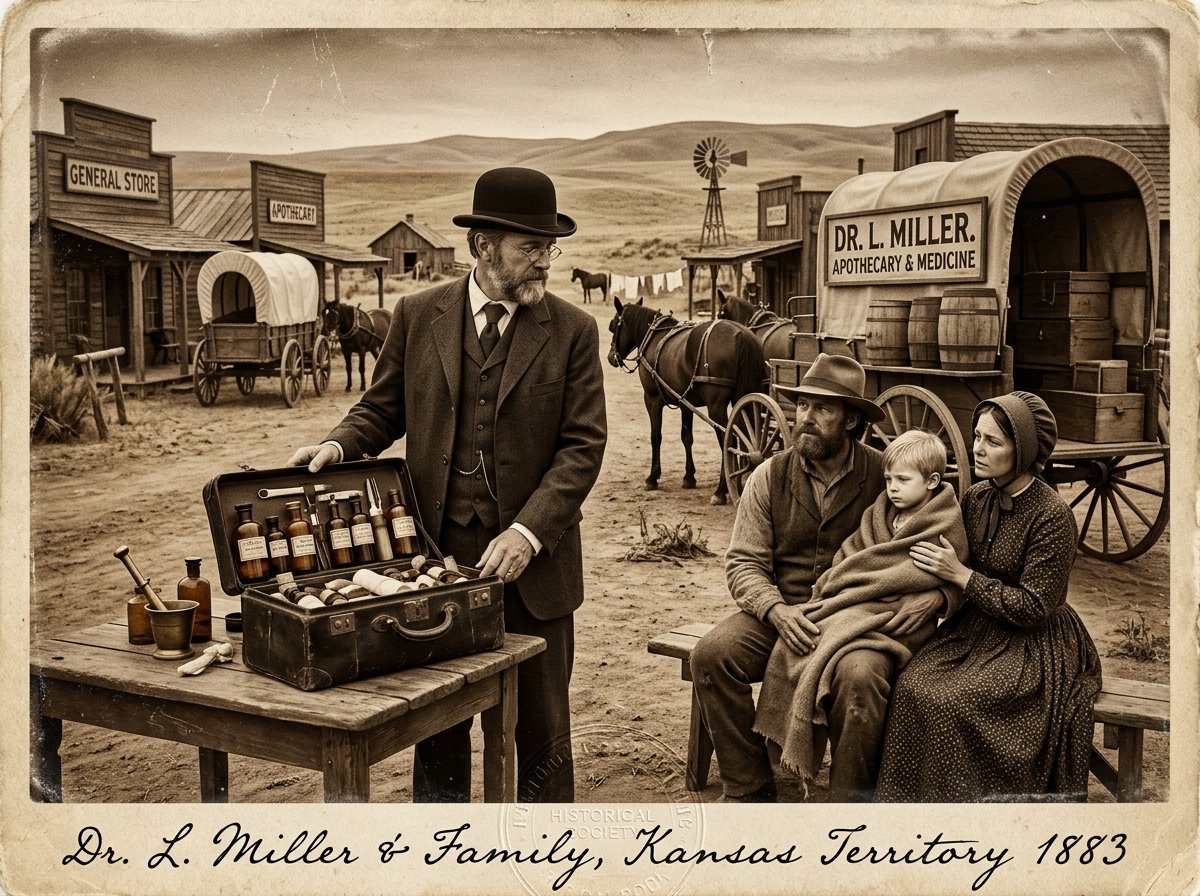
When settlers boarded covered wagons to cross the Mississippi River in the 19th century, they left behind not only paved streets and civil infrastructure, but the very concept of professional medical care. In the isolated prairie sod-houses of Kansas, the mining gulches of Montana, and the desert cattle stations of New Mexico, illness or serious injury was a terrifying emergency. Survival on the frontier demanded iron resilience, folk ingenuity, and the courage to endure excruciating medical procedures with minimal resources.

Inside the Old West Saloon: Myths vs. Reality of Frontier Social Hubs

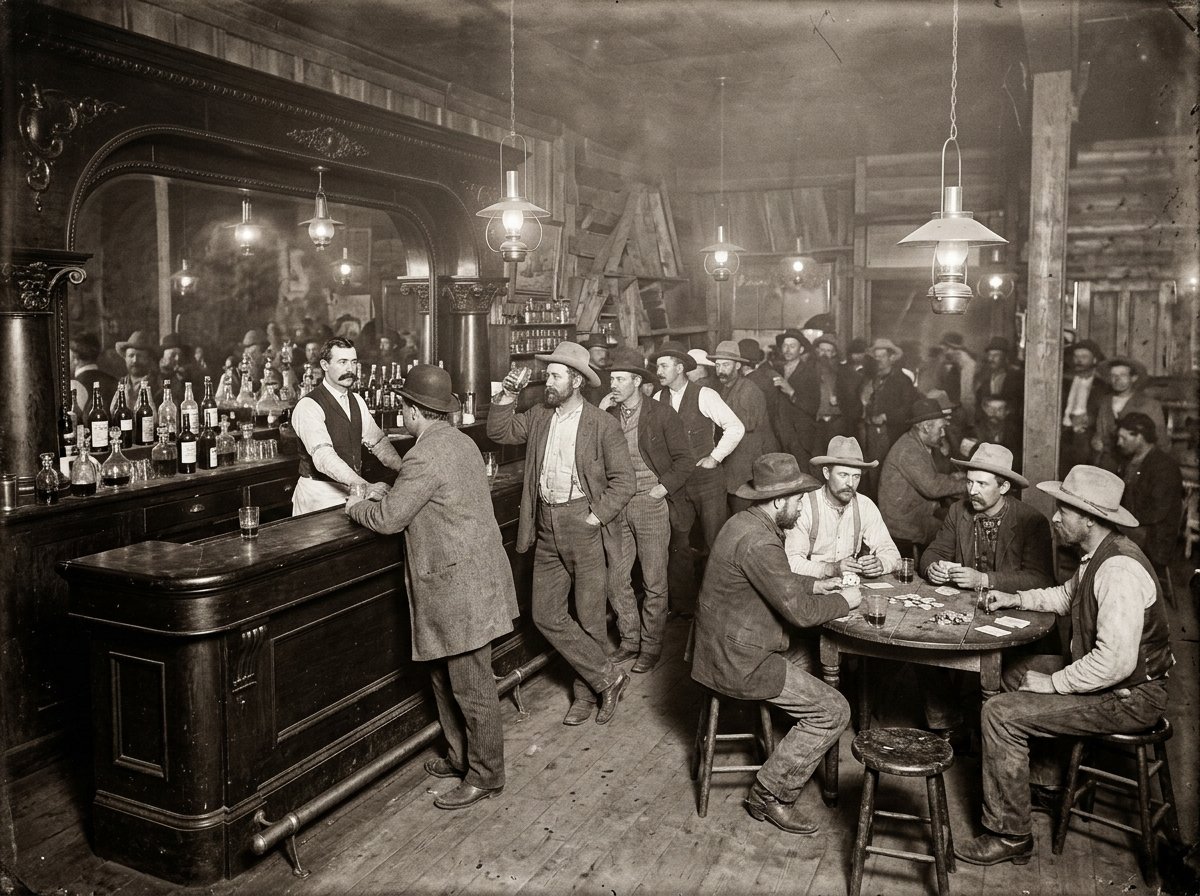
No architectural symbol of the American frontier has been more standardized, romanticized, and distorted by popular media than the Old West saloon. In Hollywood cinema, every frontier watering hole is depicted identically: swinging louvered batwing doors, a lavish mahogany backbar adorned with European plate-glass mirrors, piano players ducking under stools during obligatory brawls, and gunfighters shooting whiskey bottles off the bar. Historical municipal licenses, tax assessments, and eyewitness pioneer accounts reveal an institution that was fundamentally different — and infinitely more crucial …

The Western Stagecoach: Dust, Danger, and Concord Coaches on Overland Trails

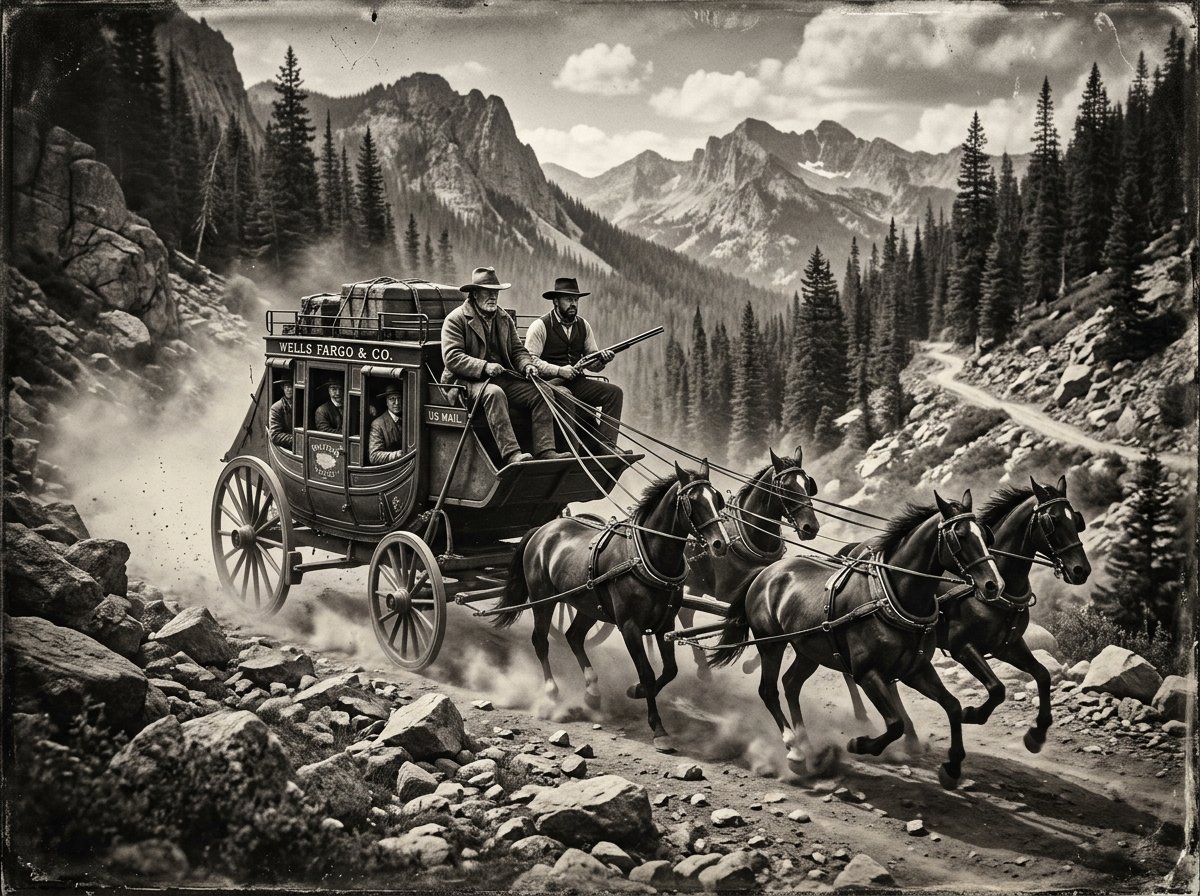
Before the joining of the rails at Promontory Summit in May 1869, the undisputed lifeline of the American frontier was the stagecoach. Across boiling alkali deserts, boulder-strewn Rocky Mountain passes, and flooded prairie river crossings, these handcrafted wooden vessels carried the gold dust, payroll treasure boxes, personal correspondence, and adventurous passengers that knit an expanding continent together.

Pony Express: The 18-Month Miracle of Transcontinental Mail

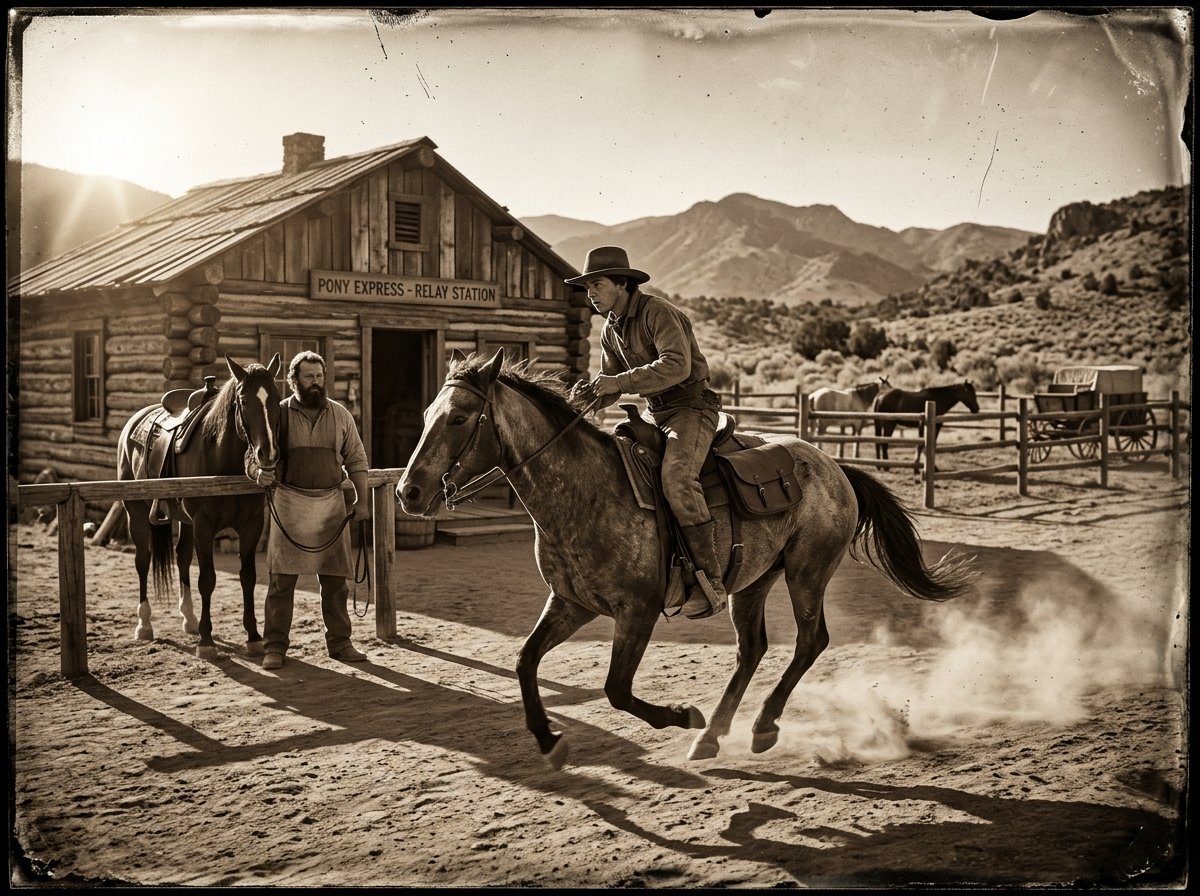
No venture in American frontier history burned more brightly, captured the global imagination more intensely, or vanished more swiftly than the legendary Pony Express. Operating for just nineteen months from April 1860 to October 1861, this audacious relay of young riders, thoroughbred horses, and remote desert stations achieved what contemporary engineers had deemed impossible: linking the Atlantic and Pacific oceans with transcontinental communications in under ten days.

The Chisholm Trail: The Great Cattle Drives That Forged the Cowboy Era

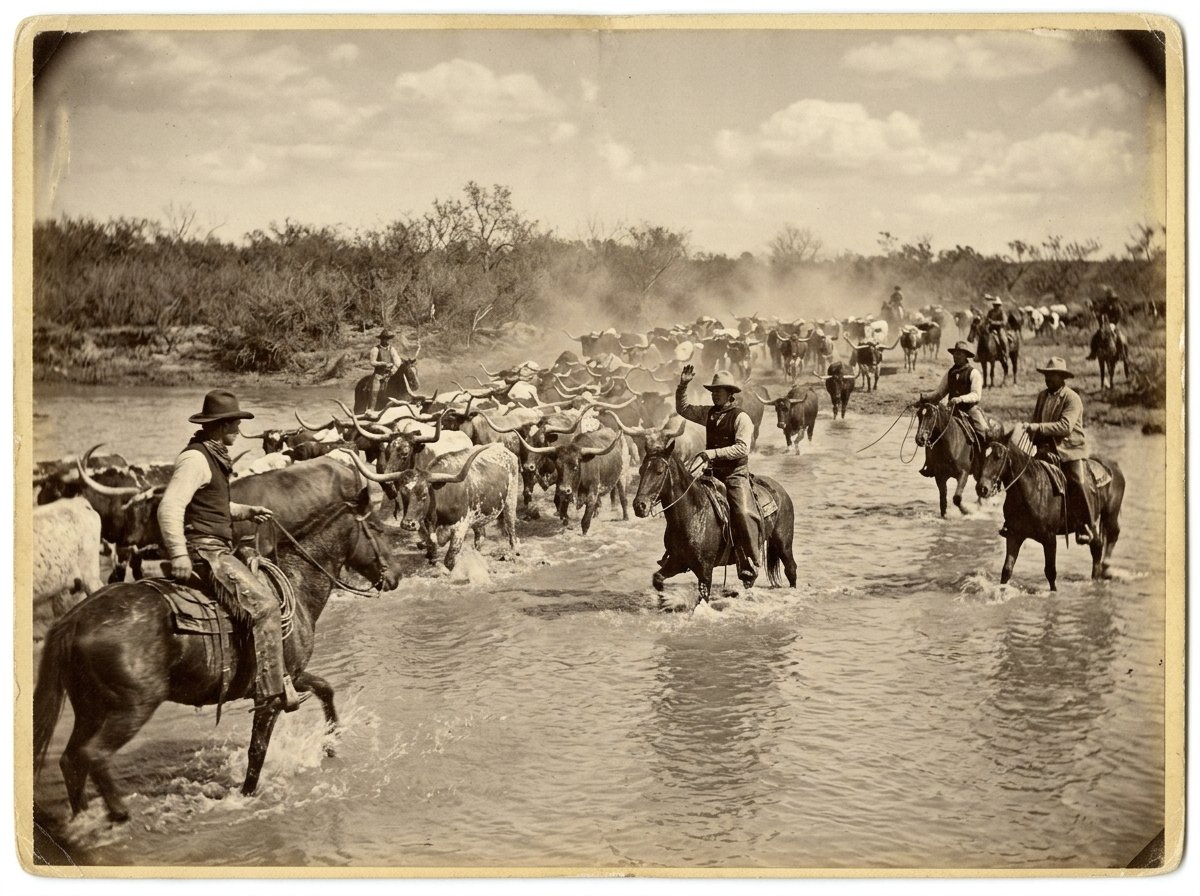
No phenomenon defined the mythos, economics, and folklore of the American cowboy more profoundly than the post-Civil War cattle drive. Between 1867 and the mid-1880s, millions of feral, razor-horned Longhorns were driven through searing heat, torrential prairie storms, river crossings, and hostile territory on an eight-hundred-mile network of wilderness trails stretching from south Texas to the newly laid tracks of the Kansas Pacific Railway. Chief among these legendary paths was the Chisholm Trail.

Bass Reeves: The Formidable Deputy U.S. Marshal of Indian Territory

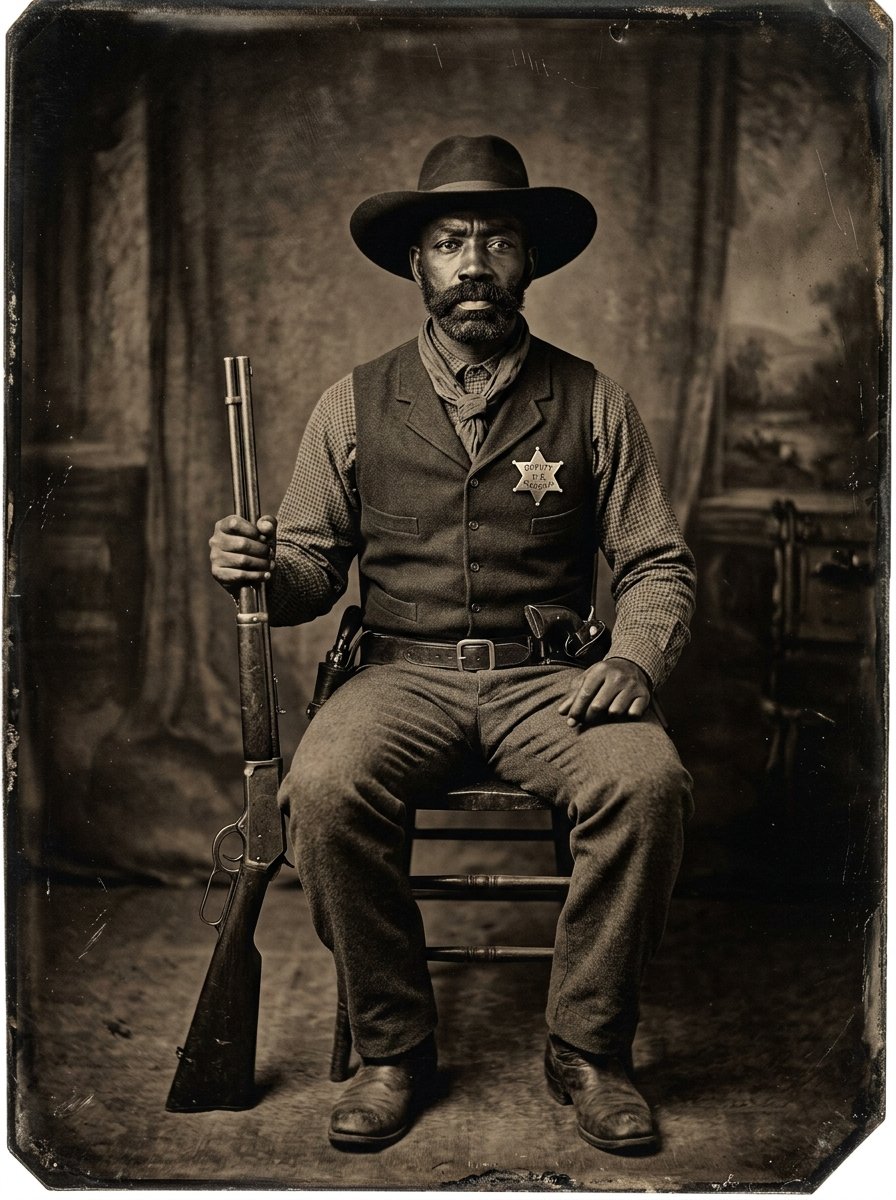
Standing six feet two inches tall with broad shoulders, an immaculate gray Stetson, and a meticulously groomed walrus mustache, Deputy U.S. Marshal Bass Reeves was the undisputed terror of badmen across the Indian Territory for more than three decades. While Dime Novels celebrated fictional lawmen and pulp magazines spun embellished tales, Reeves quietly compiled what remains arguably the most astonishing record of law enforcement in the annals of the American West.

The Homestead Act of 1862: How 160 Acres Reshaped the American Frontier

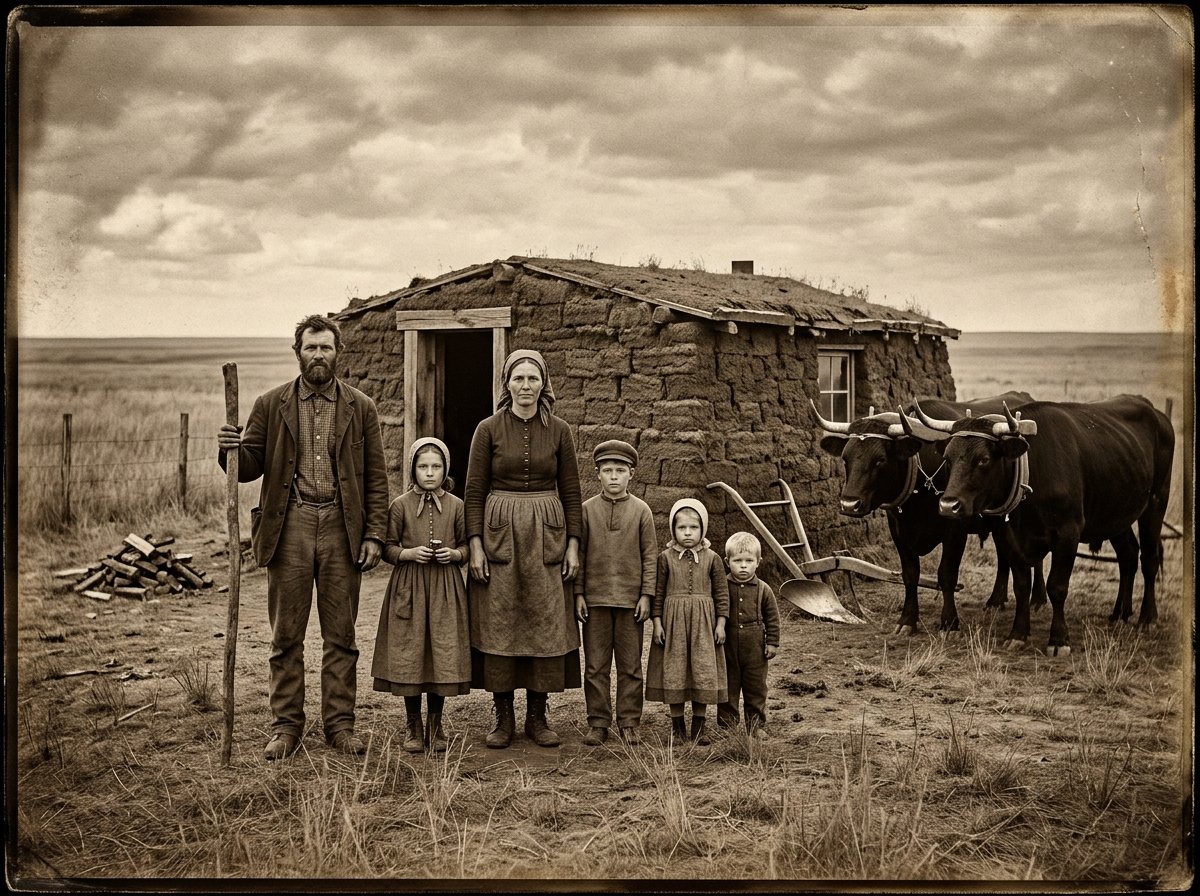
When President Abraham Lincoln affixed his signature to the Homestead Act on May 20, 1862, amidst the cataclysm of the American Civil War, he launched the most consequential social, demographic, and economic experiment in United States history. By transferring hundreds of millions of acres of public domain land directly into the hands of ordinary working families, the federal government fundamentally reshaped the continent, democratic theory, and the Western frontier.