Pony Express: The 18-Month Miracle of Transcontinental Mail
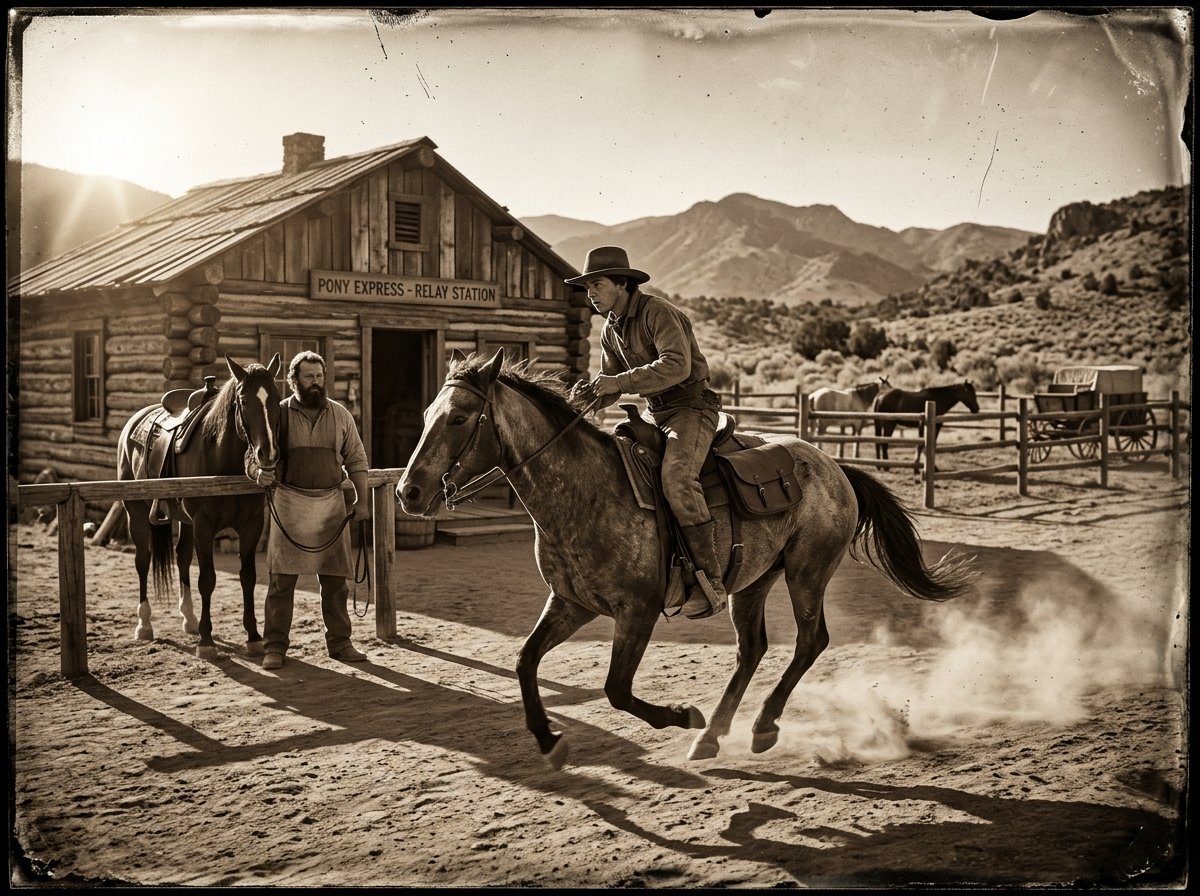
No venture in American frontier history burned more brightly, captured the global imagination more intensely, or vanished more swiftly than the legendary Pony Express. Operating for just nineteen months from April 1860 to October 1861, this audacious relay of young riders, thoroughbred horses, and remote desert stations achieved what contemporary engineers had deemed impossible: linking the Atlantic and Pacific oceans with transcontinental communications in under ten days. In the spring of 1860, the United States stood on the precipice of civil war. The industrial cities of the East and the immense gold wealth of California were separated by nearly two thousand miles of untamed prairie, desert, and mountain ranges. News traveled agonizingly slowly. Overland stagecoaches took twenty-four days to complete the southern journey, while steamships …
The Chisholm Trail: The Great Cattle Drives That Forged the Cowboy Era

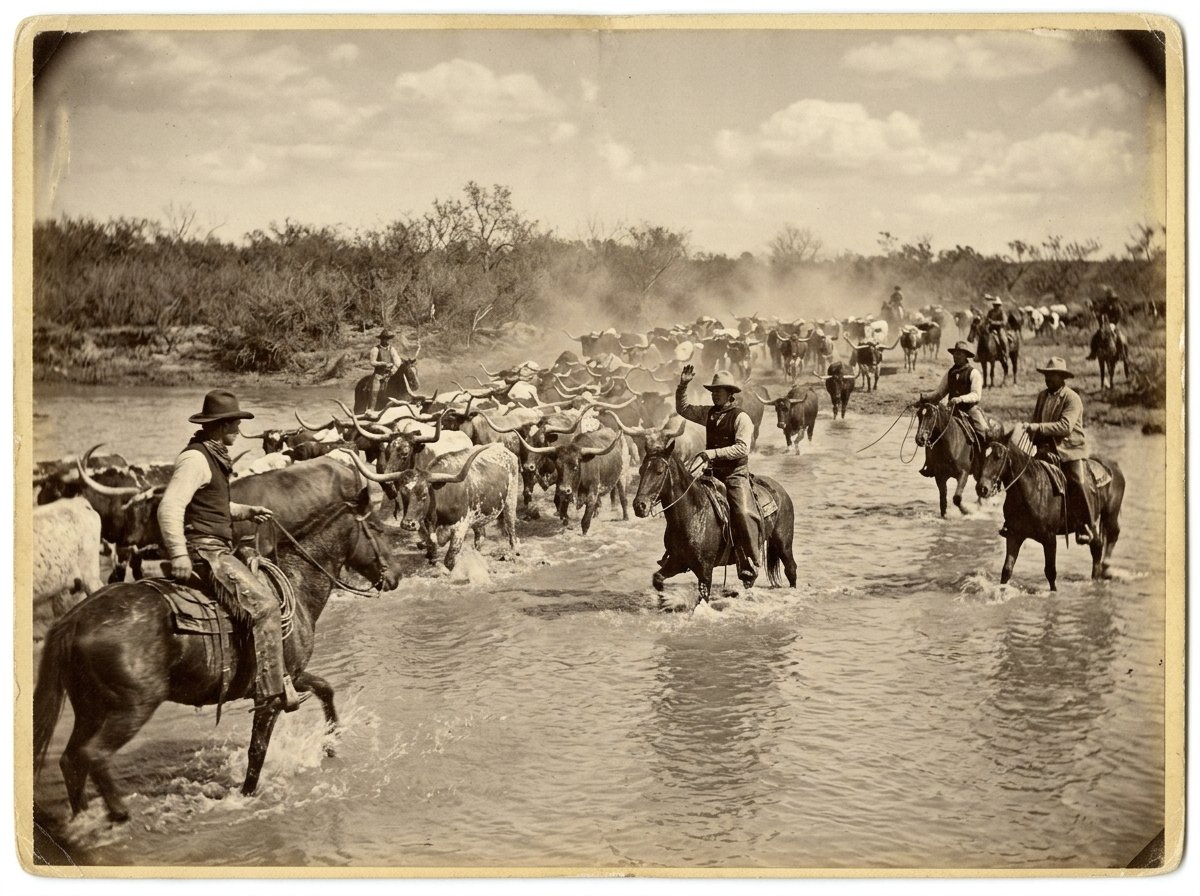
No phenomenon defined the mythos, economics, and folklore of the American cowboy more profoundly than the post-Civil War cattle drive. Between 1867 and the mid-1880s, millions of feral, razor-horned Longhorns were driven through searing heat, torrential prairie storms, river crossings, and hostile territory on an eight-hundred-mile network of wilderness trails stretching from south Texas to the newly laid tracks of the Kansas Pacific Railway. Chief among these legendary paths was the Chisholm Trail. The cattle boom of the 1870s was born from a stark economic contrast created by the Civil War. When Confederate veterans returned to Texas in the summer of 1865, they found their state in financial ruin. However, their brushlands were teeming with livestock. Spanish Longhorns — fierce, lean, and exceptionally hardy descendants …

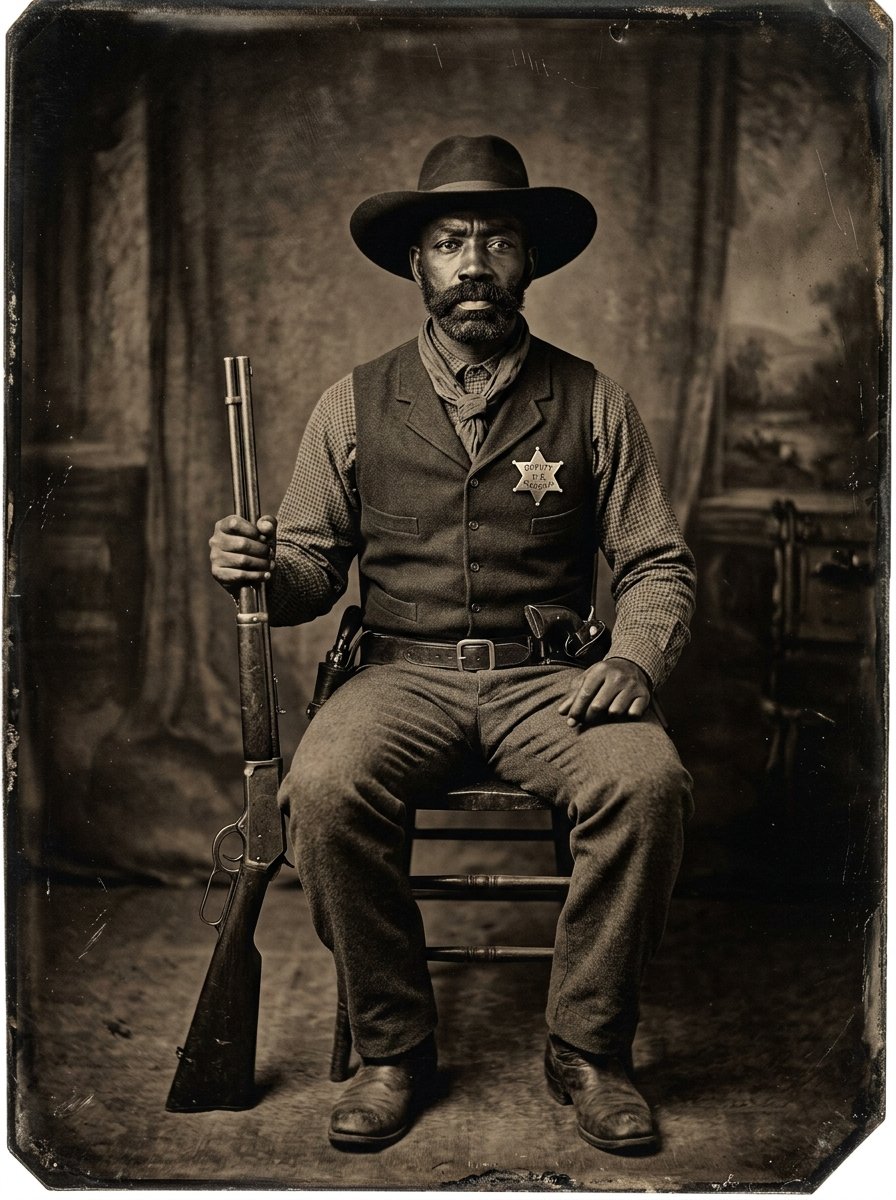
Bass Reeves: The Formidable Deputy U.S. Marshal of Indian Territory

Standing six feet two inches tall with broad shoulders, an immaculate gray Stetson, and a meticulously groomed walrus mustache, Deputy U.S. Marshal Bass Reeves was the undisputed terror of badmen across the Indian Territory for more than three decades. While Dime Novels celebrated fictional lawmen and pulp magazines spun embellished tales, Reeves quietly compiled what remains arguably the most astonishing record of law enforcement in the annals of the American West. Bass Reeves was born into slavery in Crawford County, Arkansas, in July 1838, held in bondage by Arkansas state legislator William Steele Reeves. When the Civil War erupted, William&8217;s son, Confederate Colonel George R. Reeves, brought Bass along as a personal manservant to the front lines. Sometime between 1861 and 1862, an altercation over …

The Homestead Act of 1862: How 160 Acres Reshaped the American Frontier

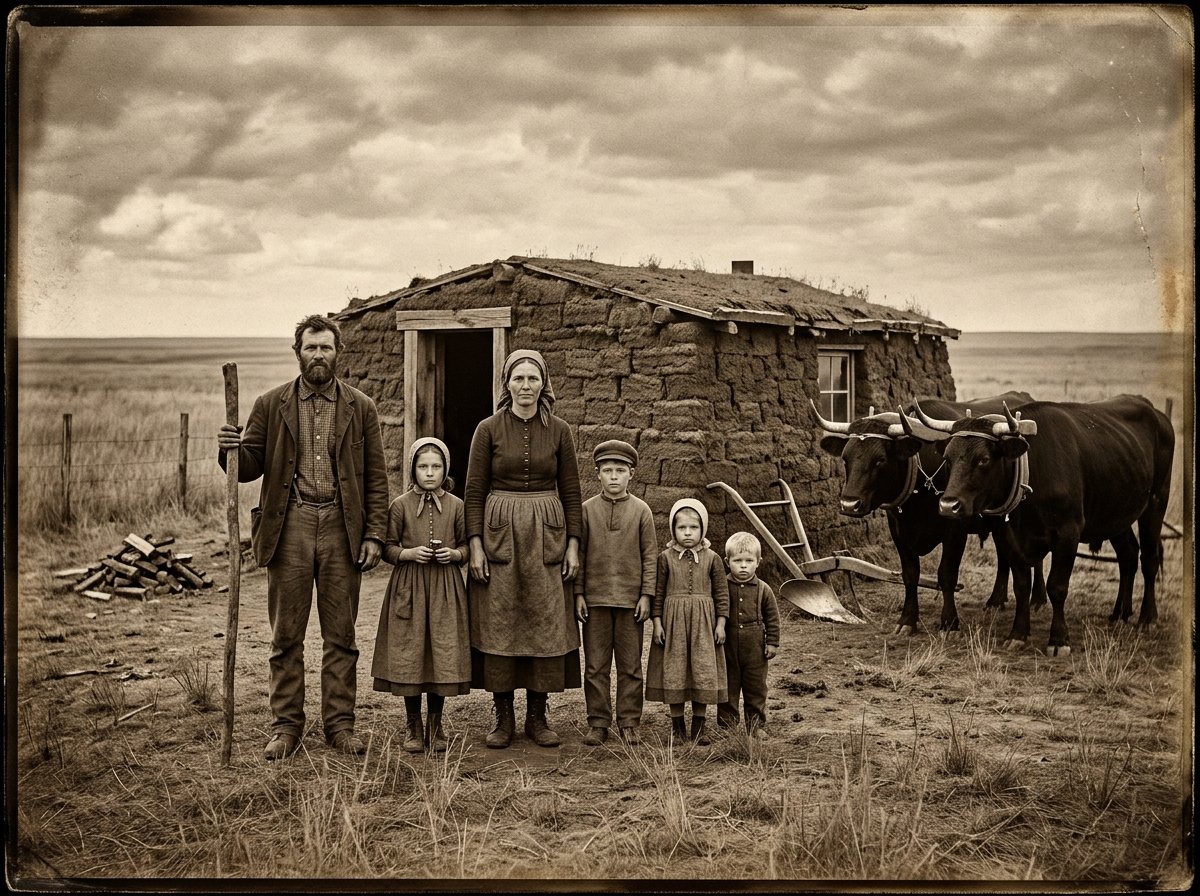
When President Abraham Lincoln affixed his signature to the Homestead Act on May 20, 1862, amidst the cataclysm of the American Civil War, he launched the most consequential social, demographic, and economic experiment in United States history. By transferring hundreds of millions of acres of public domain land directly into the hands of ordinary working families, the federal government fundamentally reshaped the continent, democratic theory, and the Western frontier. The vision of granting free public land to small, independent farmers had been bitterly contested in Washington for more than two decades. Northern abolitionists and the Free Soil Party championed the policy as a moral imperative, arguing that the frontier should be cultivated by free, self-reliant yeoman farmers. Conversely, Southern plantation owners and pro-slavery senators adamantly …

The Real Gunfight at the O.K. Corral: What Actually Happened in Tombstone on October 26, 1881

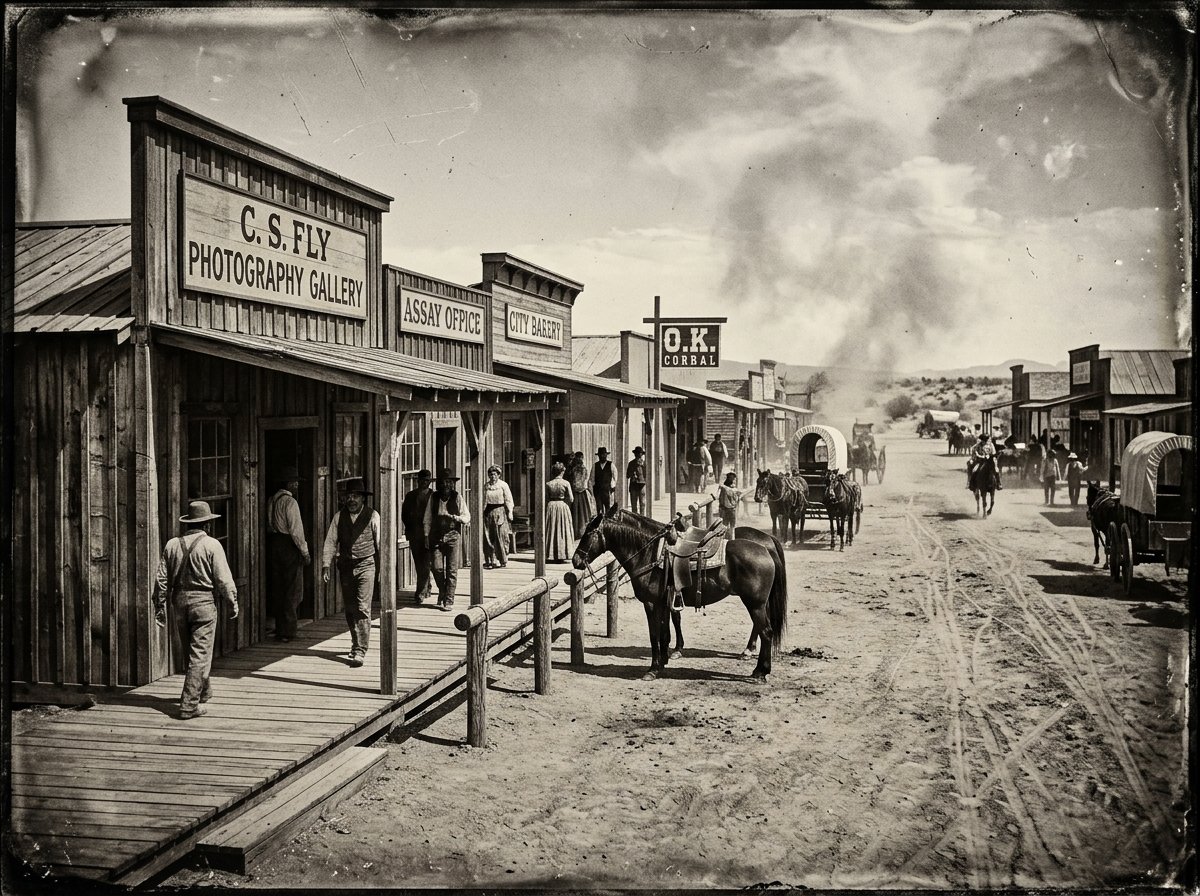
Few events in American frontier history have been as thoroughly romanticized, misunderstood, and distorted by Hollywood cinema as the deadly gunfight that erupted on a freezing, blustery Wednesday afternoon in Tombstone, Arizona Territory, on October 26, 1881. Popular culture portrays the conflict as a simplistic showdown between gallant, white-hatted lawmen and lawless frontier outlaws. In historical truth, the thirty-second gun battle was the violent climax of a bitter, multi-layered feud involving partisan politics, business competition, municipal gun ordinances, and personal animosities. In the autumn of 1881, Tombstone was not a dusty cow town; it was a burgeoning silver mining boomtown of over seven thousand residents, boasting ice cream parlors, four daily newspapers, telephone lines, and grand hotels. Beneath the bustling commerce, a deep political and …