📜 Frontier Fast Facts: Pioneer Healthcare
Primary Mortality Threats: Cholera, typhoid, dysentery, tuberculosis, puerperal fever (childbed fever), compound fractures, snakebites, and infected gunshot wounds.
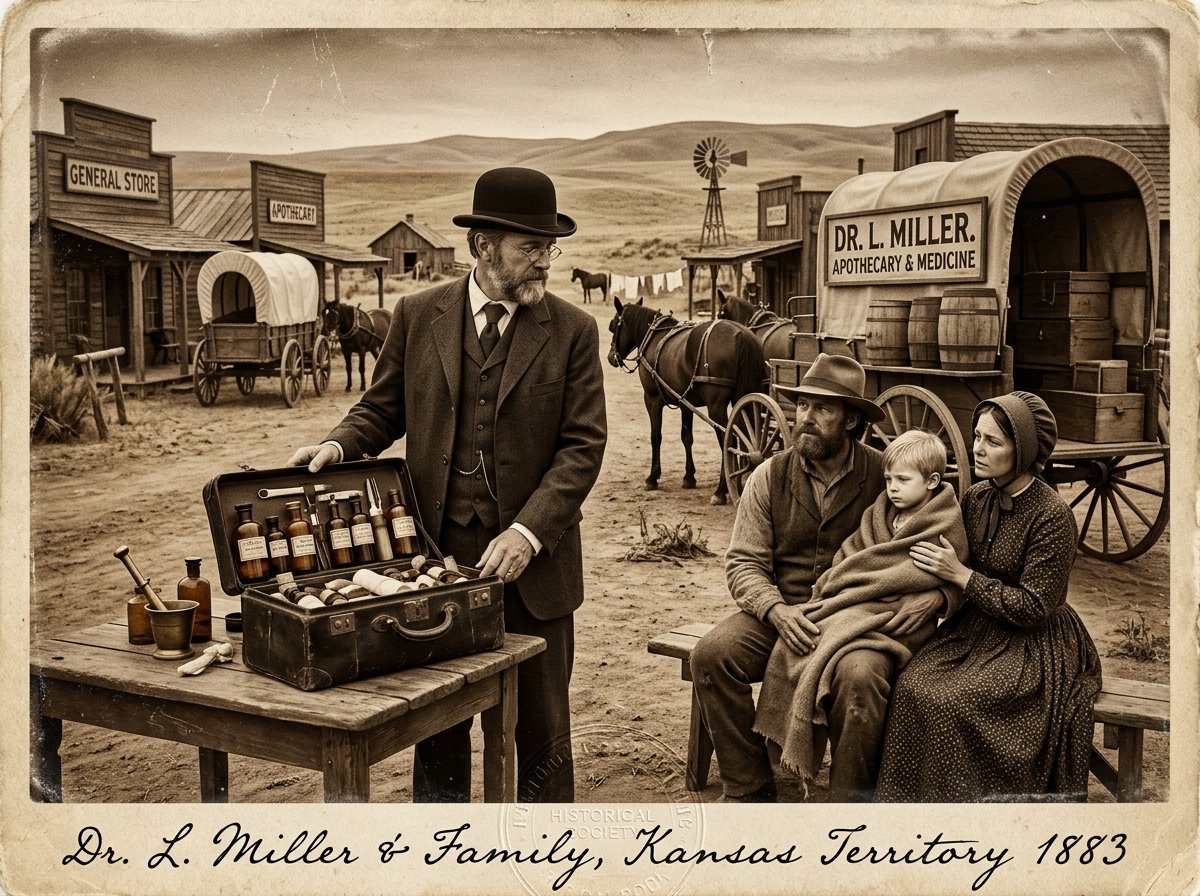
Pioneer Medicine Chest: Carbolic acid, chloroform, quinine sulfate, tincture of laudanum (opium in alcohol), castor oil, mustard plasters, and turpentine.
The Surgical Reality: Prior to Lister’s antiseptic techniques gaining widespread Western adoption in the 1880s, surgeons operated in pus-stained frock coats using unsterilized bone saws.
Homestead Midwives: Resilient female midwives and herbalists delivered over 85% of prairie infants, utilizing willow bark tea (salicylic acid) and boiled clean linens to prevent infection.
When settlers boarded covered wagons to cross the Mississippi River in the 19th century, they left behind not only paved streets and civil infrastructure, but the very concept of professional medical care. In the isolated prairie sod-houses of Kansas, the mining gulches of Montana, and the desert cattle stations of New Mexico, illness or serious injury was a terrifying emergency. Survival on the frontier demanded iron resilience, folk ingenuity, and the courage to endure excruciating medical procedures with minimal resources.
The Brutal Frontier Disease Landscape
Hollywood films frequently portray gunshot wounds and rattlesnake bites as the primary hazards of the Old West, but historical cemetery registers and overland diaries confirm that microscopic pathogens were far deadlier than bullets. The great overland trails were veritable avenues of disease.
Asiatic Cholera was the undisputed scourge of the 1849–1855 migrations. Contracted through water supplies contaminated with human waste, cholera caused catastrophic vomiting, diarrhea, and dehydration. A sturdy pioneer who appeared healthy at daybreak could be buried in a shallow roadside trench before sunset, his skin turned an eerie slate-blue from acute circulatory collapse. Along the Platte River route in Nebraska, an estimated ten thousand emigrants succumbed to cholera in a single decade.
On settled homesteads, malaria (“the ague”) plagued river valleys, causing alternating bouts of violent chills and burning fevers. In crowded mining camps lacking sanitation, typhoid fever and bacillary dysentery spread through polluted mine tailings and communal drinking wells. During freezing prairie winters, diphtheria swept through sod homes, suffocating entire families of children beneath a thick grayish membrane in their throats.
The Homestead Medicine Chest and Folk Remedies
Because the nearest doctor was often a three-day horseback ride away, every pioneer family maintained a wooden medicine chest and relied on folk remedies passed down through generations or adapted from Native American herbal lore.
The contents of a typical 1870s homestead medicine chest included:
- Quinine Sulfate: The bitter, crystalline extract of South American cinchona bark, universally administered in massive doses to suppress malarial fevers.
- Tincture of Laudanum: A potent mixture of 10% powdered opium dissolved in ethanol. Laudanum was the universal analgesic of the 19th century, prescribed indiscriminately for coughing, cholera cramps, menstrual pain, and toothaches.
- Calomel (Mercurous Chloride): A violent purgative and laxative prescribed by orthodox doctors to “expel toxins.” Its heavy mercury content frequently resulted in chronic poisoning, tooth loss, and neurological degradation.
- Castor Oil & Turpentine: Applied internally for parasites and externally as an irritating chest rub for bronchial congestion.
When manufactured medicines ran dry, pioneer women turned to prairie flora. They brewed tea from willow bark (containing salicin, the active precursor to modern aspirin) to reduce fevers and alleviate joint inflammation. Echinacea (purple coneflower) root was chewed for toothaches and poulticed onto snakebites. Wounds were packed with spiderwebs or pine pitch to stop bleeding, while severe chest colds were treated with searing mustard plasters applied directly to the skin to stimulate blood circulation.
The Country Doctor: Saddlebags, Buggies, and Bone Saws
When a professional physician did arrive in a frontier town, his life was grueling. The frontier doctor traveled thousands of miles annually across blizzards, muddy gumbo roads, and flash floods, carrying his instruments in leather saddlebags. Many early Western doctors had attended only a few months of lectures at proprietary medical colleges, learning their craft through raw trial and error.
Surgery was performed on kitchen tables or pool tables under the flickering light of kerosene lamps. While the discovery of ether in 1846 and chloroform in 1847 made general anesthesia possible, frontier supplies were frequently exhausted. Amputations for crushed limbs caused by runaway wagons or mining cave-ins were executed in minutes with handheld tourniquets and fine-toothed bone saws. The pioneer doctor stitched lacerations with silk sewing thread and drained abscesses with pocket scalpels.
The Revolution of Antiseptic Medicine in the 1880s
The great turning point in frontier survival arrived in the late 1870s and 1880s with the gradual acceptance of Joseph Lister’s germ theory of disease. Prior to this revelation, Western surgeons took pride in operating in coats stiff with dried blood and pus, believing that “laudable pus” was a natural healing stage. Unwashed hands and contaminated sponges transferred deadly bacteria directly from one patient to the next.
When frontier practitioners began boiling surgical instruments, scrubbing hands with carbolic acid soap, and replacing open-wound packing with sterilized bichloride dressings, surgical mortality rates collapsed from over 40% to under 5%. By the close of the 19th century, cottage hospitals were established in rail hubs like Cheyenne, El Paso, and Tombstone, bringing modern antiseptic surgery and trained nursing care to the once-untamed wilderness.
Historical Provenance & Archival Standards
Wild West Stories Historical Research Division • Primary Source Cross-Referenced
This historical monograph is compiled from digitized records preserved at the National Archives and Records Administration (NARA), the Library of Congress Prints and Photographs Division, and Western state historical registries. All dates, geographic coordinates, and legal proceedings have been verified against original 19th-century newspaper archives and territorial government registries.